Nonprofit boards regularly decide on compensation, vendors, and relationships with affiliated organizations. But when someone with influence stands to benefit, those decisions deserve a closer look. Our latest article walks through the key questions every nonprofit should ask before approving a transaction.
Q4 tax planning is not a single deadline; it's a series of decisions that each have their own timing. Some strategies require lead time to execute, others depend on an updated year-end forecast, and some work can legitimately carry into the new year. Knowing which category each decision falls into is what separates effective fourth quarter planning from a last-minute scramble in December.
How much cash should your business keep on hand? The answer depends on more than a simple rule of thumb. This article breaks down a practical framework for separating your cash into layers, covering operating needs, committed funds, and contingency reserves, so you can make smarter decisions about liquidity, capital allocation, and when cash truly becomes excess.
California's SB 122 will broadly apply sales and use tax to pre-written software and SaaS transactions beginning January 1, 2027, affecting both sellers and buyers. Businesses could face new obligations to collect, report, or directly remit tax on software purchases they don't pay tax on today. Here's what you need to know to start preparing before the rules take effect.
Gilbert CPAs is pleased to welcome Ryan McDonald, CPA, CFE, CGMA, as an Audit Shareholder and the firm’s ninth shareholder. With more than 20 years of accounting and assurance experience, Ryan brings extensive nonprofit experience and a shared commitment to the relationships, culture and client service that define Gilbert.
Form 990 is more than a tax return; it's a public document that donors, grantmakers, and regulators use to evaluate your nonprofit. Common mistakes in filing, reconciliation, and narrative disclosures can raise questions about financial stewardship or put your tax-exempt status at risk. This article outlines the key errors to avoid and how to build a more reliable year-over-year filing process.
The IRS raised the standard mileage rates for the second half of 2026, effective July 1, with the business rate increasing from 72.5 cents to 76 cents per mile. Taxpayers who use their vehicle for business, medical, or qualifying moving purposes will need to track mileage separately for each half of the year. Learn what the new rates mean for your deductions, reimbursement policies, and recordkeeping.
Selling a business, rental property, or other large asset triggers capital gains tax, depreciation recapture, and the net investment income tax -- consequences that can result in a far larger bill than most sellers anticipate. The tools that reduce that exposure almost always require action before the transaction closes. Here is what Sacramento-area sellers need to understand before entering negotiations.
We’re proud to feature our client, Sacramento Neighborhood Housing Services (SNHS), in our latest article for Comstock’s Magazine. For four decades, SNHS has worked to strengthen communities and create opportunities for individuals and families throughout the region.
We’re proud to share that Gilbert CPAs CEO Bobbie Hales has once again been named to Forbes’ Best-In-State CPAs list for 2026. Being recognized for a second consecutive year is an incredible honor and a reflection of Bobbie’s continued leadership, dedication to the accounting profession, and commitment to the clients and communities we serve.
Governmental financial reporting is seeing its biggest change in 25 years. GASB Statement No. 103, Financial Reporting Model Improvements, takes effect for fiscal years after June 15, 2025, so preparation should start now.
S-corporations are one of the most frequently discussed (but often misunderstood) tax structures for small business owners. While they can offer real savings on self-employment taxes, the benefits aren't automatic - they depend on your income level, involvement in the business, and whether you're ready to manage the added compliance responsibilities. Here's what you need to know about how S-corps work, who they're right for, and what's required to maintain one.
The IRS has introduced a new federal income tax deduction for qualified overtime compensation, effective for tax years 2025 through 2028. Eligible workers can deduct up to $12,500 (or $25,000 on joint returns) of the overtime premium they earn above their regular rate of pay. This deduction reduces is available to FLSA-covered employees who meet specific eligibility requirements, including valid Social Security numbers and certain filing status conditions.
Revocable living trusts are widely used and widely misunderstood. This article explains what revocable trusts actually do, what they don’t do, and why proper design, funding, and coordination matter. Understanding these nuances can help prevent surprises and improve estate planning outcomes.
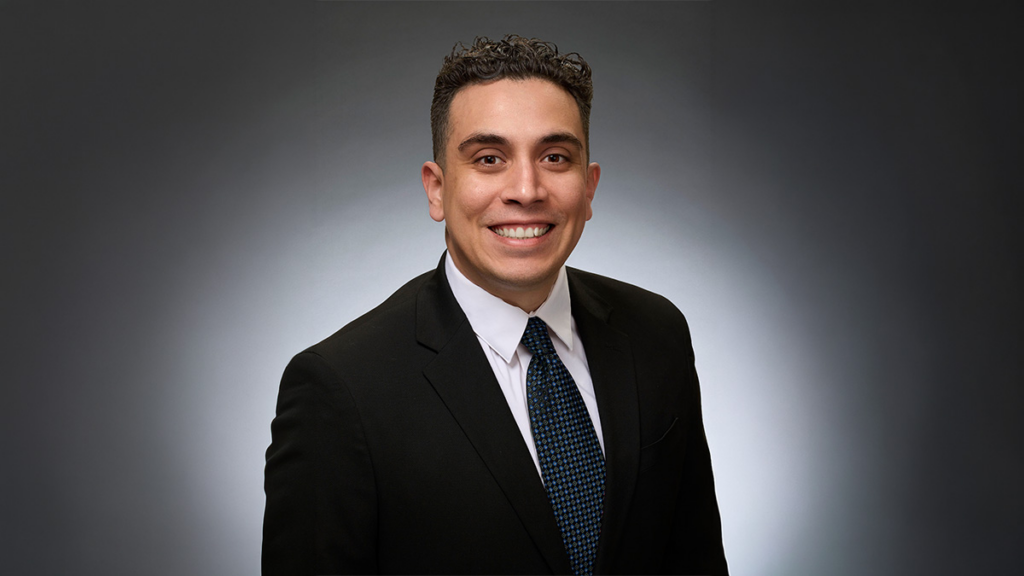
Gilbert CPAs is proud to announce the promotion of Raul Hernandez, CPA, to Shareholder. Raul’s promotion reflects his years of growth and leadership within the firm, as well as his commitment to our clients, our people and the culture that defines Gilbert.